For more intellectual property updates follow our WHATSAPP CHANNEL and SUNS LEGAL | LinkedIn
Introduction
In a landmark order pronounced on 9 September 2025, the Delhi High Court, granted an ex-parte interim injunction in favour of Aishwarya Rai Bachchan in CS(COMM) 956/2025. The case involved widespread unauthorised commercial use of her name, image, likeness, and other elements of her personality on websites, e-commerce platforms, chatbots, and AI-generated deepfake videos. The Court’s order is significant as it explicitly addresses modern challenges such as artificial intelligence, generative AI, and deepfake technology being used to exploit celebrity personas without consent.
Facts of the Case
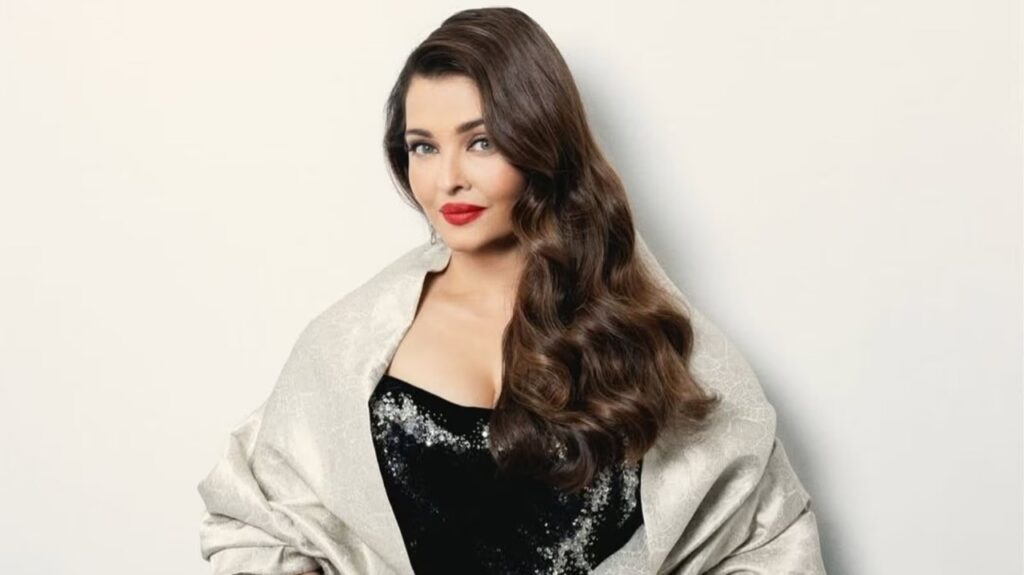
Aishwarya Rai Bachchan, one of India’s most celebrated actors and global icons, approached the Delhi High Court alleging that multiple defendants were misusing her personality attributes without authorisation. Her personality rights, which include her name, image, signature, voice, likeness, and all other elements of her persona, have significant commercial value due to her decades-long career, brand endorsements, and public goodwill. The plaintiff alleged that these rights were being infringed through various channels, including websites falsely claiming to be her official portal, e-commerce platforms selling unauthorised merchandise, organisations falsely linking her name with their business, chatbots impersonating her with sexually-coloured remarks, and AI-generated deepfake videos spreading false or obscene content. The suit sought a permanent injunction restraining infringement of copyright, performer’s rights, personality/publicity rights, passing off, and unfair competition.
Plaintiff’s Arguments
Counsel for Plaintiff argued that she has built an unparalleled brand and reputation over decades, which has acquired significant goodwill and trust. Any unauthorised use of her name, image, or likeness leads to confusion among the public, giving the false impression of affiliation, endorsement, or sponsorship. The defendants’ business model was designed to illegally monetise her persona and exploit her celebrity status for profit, which not only diluted her reputation but could also result in inferior products or offensive content being associated with her name. This, counsel argued, causes irreparable harm to her goodwill, contractual brand endorsements, and her right to live with dignity.
Counsel relied on several precedents: In Anil Kapoor v. Simply Life India, 2023 SCC OnLine Del 6914, the Court recognised that a celebrity’s right of endorsement is a major source of livelihood and that unauthorised commercial use of their persona without consent is impermissible. The Court observed that while news, satire, and parody may be protected speech, any use that tarnishes or jeopardises an individual’s personality crosses the legal line. Further reliance was placed on Amitabh Bachchan v. Rajat Nagi, (2022) 6 HCC (Del) 641, where an ad-interim ex-parte injunction was granted against unauthorised use of Amitabh Bachchan’s celebrity status, and Jaikishan Kakubhai Saraf v. Peppy Store, (2024) 2 HCC (Del) 253, where similar protection was granted for personality rights.
Defendants’ Submissions
The order does not record detailed arguments from the defendants, as the injunction was passed ex-parte. Counsel for Defendant No. 10 (Google) accepted summons and agreed to provide subscriber information of Defendant Nos. 8 and 9 within seven days. Other defendants will have the opportunity to contest the claims in subsequent hearings.
Court’s Decision and Reasoning
The Court held that the plaintiff had established a strong prima facie case for protection of her personality rights. The Court observed that personality rights allow an individual to control and protect the use of their identity, including its commercial value. Unauthorised exploitation can lead to financial loss as well as a violation of dignity and privacy. Given the misuse of her persona across multiple platforms, including AI-generated deepfake content, the Court concluded that failure to grant an injunction would cause irreparable harm.
Accordingly, the Court granted an ex-parte interim injunction restraining Defendant Nos. 1 to 9 and 13 from using, exploiting, or misappropriating Aishwarya Rai Bachchan’s name, image, likeness, or any attribute of her persona through any medium or technology, including AI, deepfakes, machine learning, or face morphing. The Court also directed e-commerce platforms and Google to remove and disable infringing URLs within 72 hours and provide subscriber information in a sealed cover. The Ministry of Electronics & IT and Department of Telecommunications were directed to block identified URLs. The matter was listed for further hearing on 15 January 2026.
Conclusion
This order is an important moment for celebrity personality rights in India, especially in the context of AI and deepfake technology. The Delhi High Court has reinforced that a celebrity’s name, image, and persona cannot be commercially exploited without consent. By explicitly addressing AI-generated misuse, the judgment sends a strong message that technological tools cannot be used to bypass legal rights. It not only safeguards Aishwarya Rai Bachchan’s dignity and reputation but also creates a powerful precedent for future cases involving digital impersonation, online merchandise sales, and deepfake exploitation. This case will likely serve as a guiding framework for courts and policymakers in balancing free speech, technology, and personality rights in the digital era.