For more intellectual property updates follow our WHATSAPP CHANNEL and SUNS LEGAL | LinkedIn
Introduction
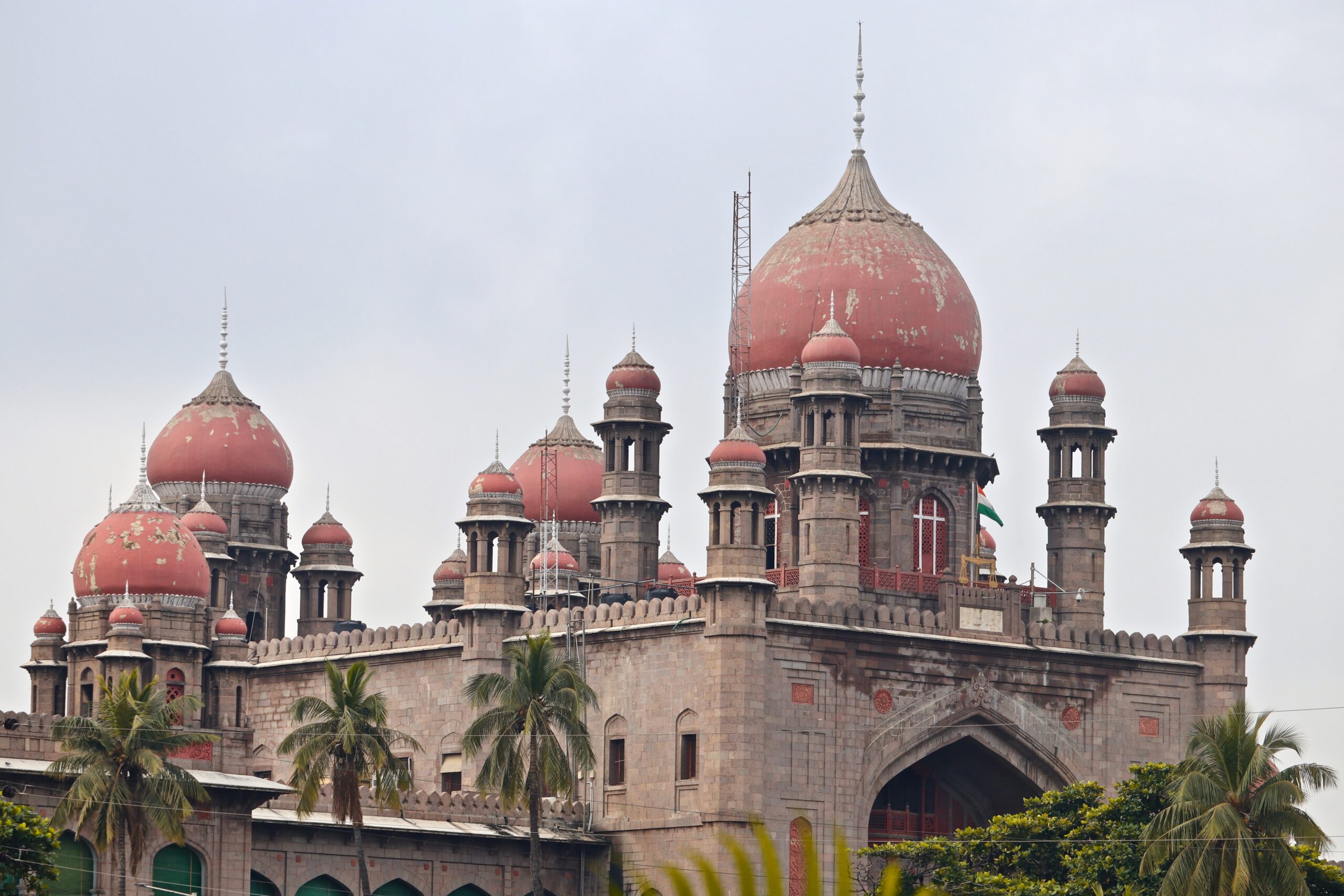
On 20 May 2026, the Calcutta High Court delivered its ruling in Indiamart Inter Mesh Limited v. OpenAI Inc. and Ors. (IA No. GA-COM/1/2025 in IP-COM/57/2025). The case is notable for being one of the first in India to directly address the legal status of generative AI platforms. The petitioner, IndiaMart, alleged that OpenAI’s ChatGPT search feature deliberately excluded its business listings, thereby infringing intellectual property rights and causing economic harm. The respondents denied any legal obligation to provide visibility, arguing that ChatGPT functions as an “originator” of content rather than an intermediary. The Court’s decision sheds light on how Indian law currently interprets the role of AI systems under the Information Technology Act, 2000, and the Trade Marks Act, 1999.
Facts of the Case
IndiaMart has operated since 1996 as a leading B2B portal, connecting suppliers and consumers through online listings. Its business model depends heavily on internet visibility and search engine referrals. In October 2024, OpenAI introduced “ChatGPT search,” a feature that provides synthesized answers with links to relevant sources. IndiaMart alleged that ChatGPT deliberately bypassed its listings, even when users specifically searched for IndiaMart, and instead directed users to sellers’ own websites.
OpenAI justified this exclusion by citing IndiaMart’s inclusion in the United States Trade Representative (USTR) Notorious Markets List 2024. IndiaMart argued that the USTR List has no statutory force in India and was unfairly applied, especially since other platforms on the same list remained accessible. The matter came directly before the Intellectual Property Rights Division of the Calcutta High Court as an application for interim relief, with no lower court decisions involved.
Argument in Favour
IndiaMart contended that ChatGPT’s omission amounted to discriminatory exclusion, interfering with its business and depriving users of access. It argued that ChatGPT is an “intermediary” under Section 2(1)(w) of the IT Act, 2000, and therefore bound by Rule 3(1)(n) of the IT Rules, 2021, which prohibits discrimination. The petitioner also claimed that exclusion violated Articles 14, 19, and 21 of the Constitution, asserting that users have a right to know about IndiaMart.
IndiaMart further argued that reliance on the USTR List was invalid, as the list has no legal force in India and was selectively applied. It alleged dilution of its trademark under Section 29(4) of the Trade Marks Act, disparagement, and unfair trade practices. In support of its submissions, IndiaMart cited Neptune Assurance Co. Ltd. v. Union of India (1973) 1 SCC 310, Press Trust of India v. Union of India (1974 AIR 1044), and Neetu Singh v. Telegram FZ LLC (2022 SCC OnLine Del 2637), to emphasize intermediary obligations and the right to non-discriminatory access.
Argument Against
OpenAI argued that no legal right exists entitling a business to be promoted on a private platform. It contended that ChatGPT is an “originator” under Section 2(1)(za) of the IT Act, not an intermediary, since it generates new content rather than merely transmitting third-party data. The respondents emphasized that IndiaMart’s alleged loss was “pure economic loss,” which is not actionable without a legal injury. They also argued that reliance on the USTR List was a non-justiciable internal business decision aimed at user safety.
OpenAI relied on several precedents. In Google LLC v. DRS Logistics (P) Ltd. (2023 SCC OnLine Del 4809), the Court held that third parties cannot compel service providers to operate in a particular way. Home Office v. Dorset Yacht Co Ltd [1970] 2 ALL ER 294 was cited to show that common law does not impose liability for pure omissions. Ultramares Corp. v. Touche (1931) 255 NY 170 was invoked to highlight the “floodgates” concern against indeterminate liability. Berger Paints India Ltd. v. JSW Paints (P) Ltd. (2023 SCC OnLine Cal 4949) clarified that mere referential use of a trademark does not amount to dilution. Finally, Tech Plus Media Pvt. Ltd. v. Jyoti Janda (2014 SCC OnLine Del 1819) emphasized the need for specific particulars in copyright claims.
Court’s Decision
The Calcutta High Court dismissed IndiaMart’s application for interim relief, holding that no prima facie case was established. The Court observed that generative AI does not fit neatly into the IT Act, 2000, which was drafted long before the advent of such technologies. Prima facie, ChatGPT functions as an “originator” under Section 2(1) (za), since it generates new content rather than acting as a passive conduit.
The Court emphasized that under common law, there is no positive obligation to promote another’s economic interests absent from a contract or statute. It rejected IndiaMart’s intellectual property claims, finding no trademark dilution under Section 29(4) of the Trade Marks Act, since referential use does not constitute dilution, as clarified in Berger Paints India Ltd. v. JSW Paints (P) Ltd. (2023 SCC OnLine Cal 4949). The Court also found no disparagement or copyright infringement, noting the absence of publication or specific particulars of copyrighted work, consistent with Tech Plus Media.
Even if ChatGPT were treated as an intermediary, the Court held that IndiaMart failed to show violation of a substantive legal right beyond IT Rules. Section 79’s safe harbour protections are therefore applied. The Court also cited Ultramares Corp. v. Touche (1931) 255 NY 170 to warn against imposing liability in an indeterminate amount for an indeterminate time. Finally, it held that granting relief would disrupt OpenAI’s business and require continuous judicial supervision, which was impractical.
Conclusion
The Calcutta High Court’s ruling in Indiamart v. OpenAI is a landmark in India’s engagement with generative AI. The Court clarified that platforms like ChatGPT, which generate new content, are better classified as “originators” rather than intermediaries. This classification shields them from obligations imposed on intermediaries under the IT Act and IT Rules.
The Court also rejected claims of trademark dilution, disparagement, and copyright infringement, emphasizing that mere exclusion or referential use does not amount to legal injury. Importantly, the judgment highlighted the inadequacy of the IT Act, 2000, in addressing modern AI systems and called for legislative intervention to define liabilities more clearly.
For businesses, the case underscores that visibility on private platforms cannot be legally compelled. For policymakers, it signals the urgent need to update India’s digital laws to address the complexities of generative AI. The ruling thus marks a turning point in Indian jurisprudence, balancing technological innovation with legal accountability, while leaving open the path for future legislative reform.