For more intellectual property updates follow our WHATSAPP CHANNEL and SUNS LEGAL | LinkedIn
Introduction
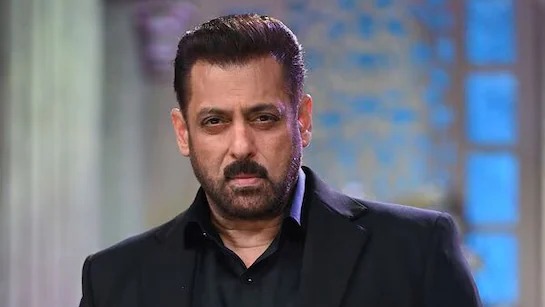
In today’s digital era, where artificial intelligence and online platforms can replicate voices, images, and likenesses with remarkable ease, the protection of celebrity identity has become a pressing legal issue. The case of Salman Khan v. Ashok Kumar/John Doe & Ors. [CS(COMM) 1322/2025], heard before the High Court of Delhi, is a significant development in this area. The suit was filed to restrain the unauthorised commercial exploitation of Salman Khan’s personality and publicity rights, alongside claims of trademark infringement, copyright violation, performer’s rights infringement, and passing off. The matter illustrates how courts are adapting traditional legal principles to address modern challenges posed by technology and digital commerce.
Facts of the Case
Salman Khan, a celebrated actor and entrepreneur, has built immense goodwill over three decades. He owns trademark registrations for his personal name “SALMAN KHAN” and the brand “Being Human.” His personality, including his name, image, voice, and likeness has, acquired distinctiveness and high commercial value.
The defendants, ranging from unknown individuals to major digital platforms, were alleged to be engaging in multiple infringing activities. These included selling unauthorised merchandise such as T-shirts, posters, mugs, and cutouts; operating mobile applications and social media accounts impersonating the Plaintiff; using artificial intelligence to mimic his voice and image; registering domain names like salmankhan(dot)fr and salmankhanventures(dot)com to unlawfully trade on his reputation; and spreading fabricated news to damage his reputation.
The suit was instituted directly before the High Court of Delhi as a commercial matter. Given the urgency of interim relief, the Court exempted the Plaintiff from pre-institution mediation under Section 12A of the Commercial Courts Act, 2015, relying on Yamini Manohar v. T.K.D. Keerthi [(2024) 5 SCC 815]. Interim relief was sought under Order XXXIX Rules 1 and 2 of the Code of Civil Procedure, 1908.
Argument in Favour
The Plaintiff argued that his personality rights are protected under Articles 19 and 21 of the Constitution of India, which safeguard freedom of expression and the right to privacy. He further relied on Sections 38, 38A, and 38B of the Copyright Act, 1957, which recognise performers’ moral rights, and the Trade Marks Act, 1999, which grants statutory protection to registered marks.
It was contended that the Defendants were clandestinely misusing his persona to mislead consumers, create false associations, and generate illegitimate profits. The unauthorised use of AI to mimic his voice and image was said to dilute his goodwill and cause irreparable harm.
Precedents cited included D.M. Entertainment v. Baby Gift House [MANU/DE/2043/2010], which recognised proprietary rights over celebrity persona; Anil Kapoor v. Simply Life India & Ors. [2023 SCC Online Del 6914], which affirmed protection of celebrity attributes; and Jaikishan Kaku Bhai Sarf Alias Jackie Shroff v. The Peppy Store & Ors. [2024 SCC Online Del 3664], which reiterated that celebrity status grants rights over associated attributes.
Argument Against
At this stage, substantive arguments from the Defendants were limited. Counsels for platforms such as X (Twitter), Google, Telegram, and Porkbun LLC appeared and accepted notice.
It was noted that the Plaintiff had not yet utilised the statutory mechanism of approaching intermediaries under the Information Technology (Intermediary Guidelines and Digital Media Ethics Code) Rules, 2021. Consequently, the Court directed intermediaries to treat the plaint as a formal complaint under the IT Rules, 2021.
Court’s Decision
The Court held that Salman Khan’s celebrity status inherently grants him proprietary rights over his personality attributes. His name, image, likeness, and voice were recognised as protectable elements of personality rights. Continued misuse would cause irreparable injury and dilution of goodwill.
The Court applied Order XXXIX Rules 1 and 2 of the CPC, which empower courts to grant temporary injunctions to prevent irreparable harm. It also referred to Section 12A of the Commercial Courts Act, 2015, which provides for pre-institution mediation, but granted exemption due to urgency, relying on Yamini Manohar v. T.K.D. Keerthi. Additionally, the Court invoked the IT Rules, 2021, which require intermediaries to act on complaints regarding unlawful content.
Precedents relied upon included D.M. Entertainment, Anil Kapoor, Jackie Shroff, and Yamini Manohar, each reinforcing the protection of celebrity persona and the urgency of relief.
Orders issued included restraining Defendants from using the Plaintiff’s name, image, likeness, voice, or trademarks for commercial gain; directing Google and Apple to take down infringing mobile applications; ordering e-commerce platforms to delist infringing merchandise; directing Domain Name Registrars to suspend and lock infringing websites; and requiring social media platforms to adjudicate the plaint as a complaint under IT Rules, 2021 within three days.
Conclusion
The High Court of Delhi granted an ex-parte ad-interim injunction in favour of Salman Khan, recognising the proprietary nature of celebrity personality rights and extending protection against unauthorised digital and physical exploitation.
This case is a landmark in the evolving jurisprudence of personality rights in India. It underscores the judiciary’s proactive approach in safeguarding celebrity identity in the digital era, particularly against emerging threats posed by artificial intelligence and cybersquatting. By affirming that attributes such as name, image, voice, and likeness are legally protectable, the Court reinforced the principle that celebrities hold enforceable rights over their identity.
The ruling also observed the intermediary responsibility under the IT Rules, 2021, ensuring swift removal of infringing content. Reliance on precedents such as D.M. Entertainment, Anil Kapoor, and Jackie Shroff demonstrates continuity in judicial recognition of personality rights.
Ultimately, the decision observes the legal framework for protecting celebrity identity in India, setting a precedent for future disputes involving digital misuse, AI exploitation, and unauthorised commercialisation of persona. The matter is scheduled for further proceedings, but the interim relief granted provides immediate protection to the Plaintiff’s rights and reputation.